New

familia Bites Immunity 70 g
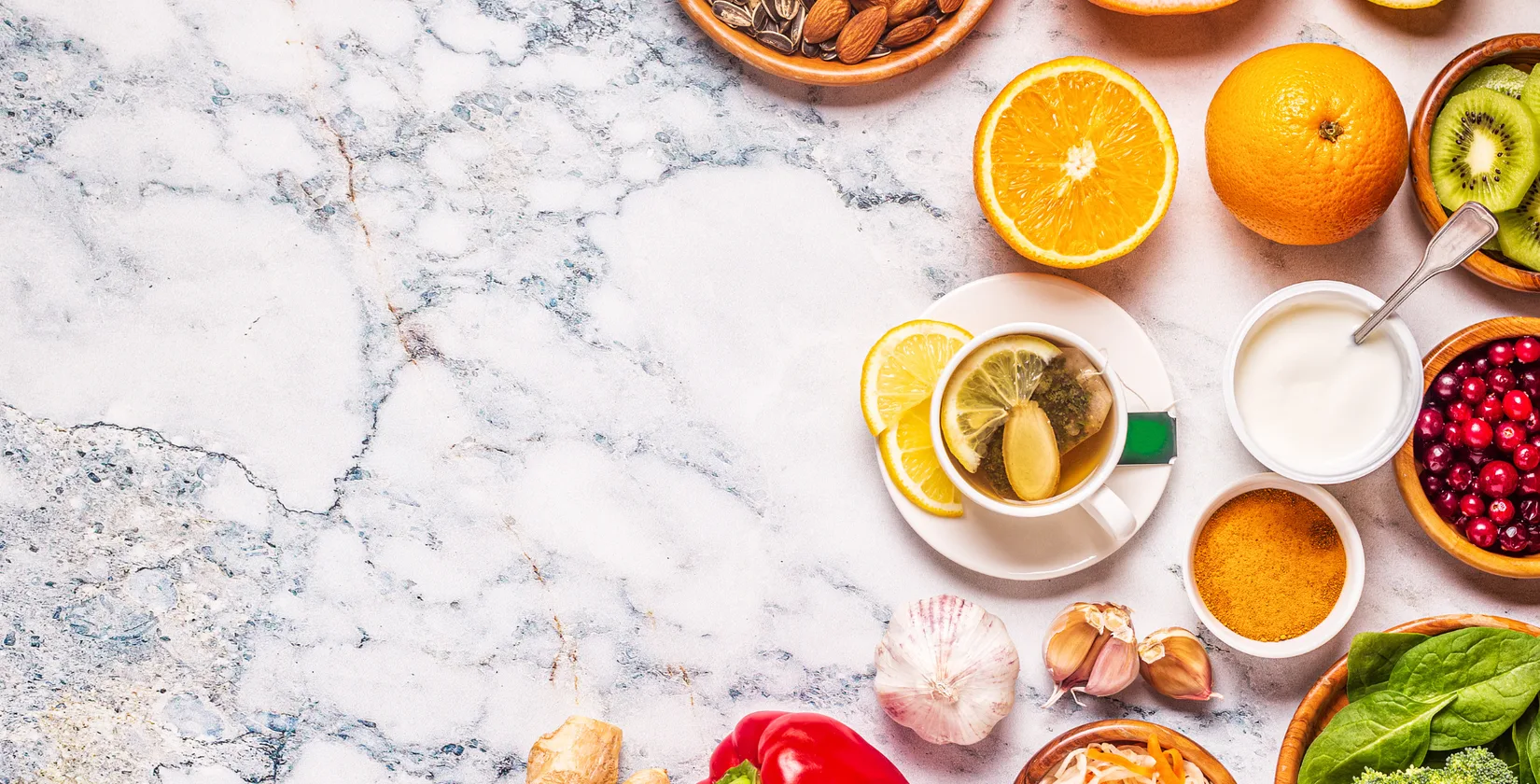
Dr. Emeran Mayer's book The Mind-Gut-Immune Connection reveals a fascinating truth from the ever-evolving microbiome research: About 70% of the immune cells in your body reside in your gut. This may sound surprising but is understandable considering that the gut is the main contact point of your body with the outside world – primarily through food and the microbes living within it.
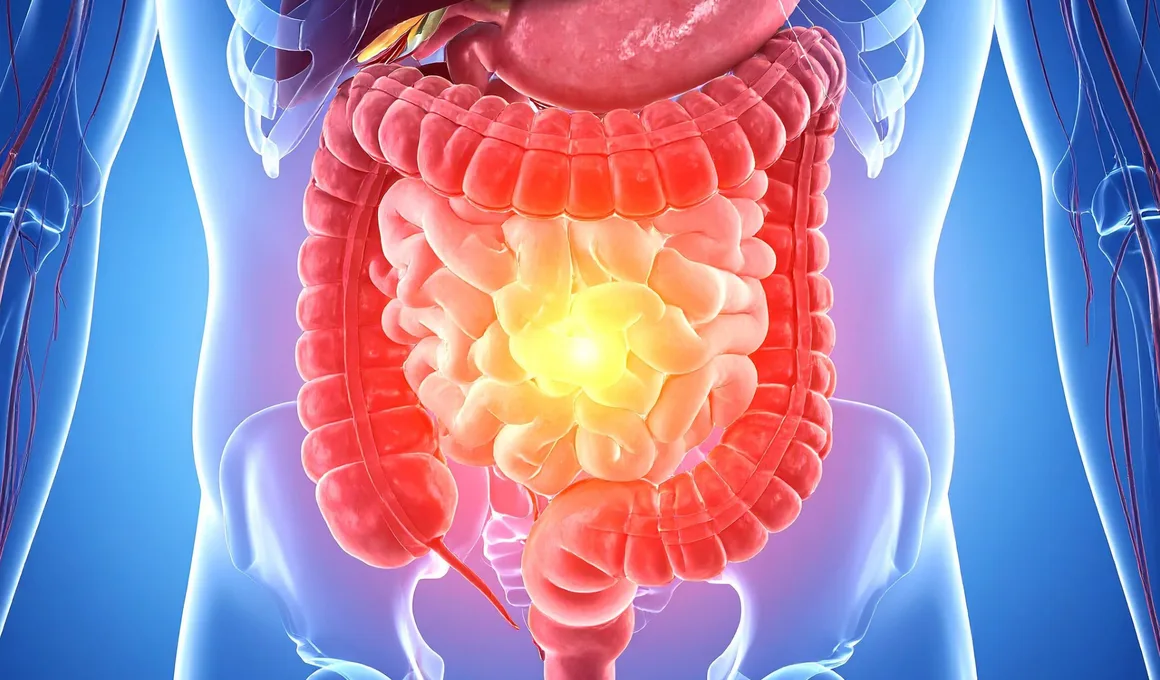
As detailed in our health tip Gut Feeling Good, All Good?, the intestinal mucosa hosts a vast community of bacteria, fungi, and viruses – the so-called microbiome – which constantly communicate with your immune cells. This interaction helps the immune system distinguish friend from foe and respond appropriately. When this balance is intact, your immune system remains strong and balanced, protecting you from infections and chronic inflammation.
The term gut-brain axis, explained in this health tip, has recently been expanded to include the immune system. Between gut, brain, and immune system exists a close network called the brain-gut-immune connectome – a complex communication network describing all signals and interactions among these three areas. This connectome enables constant exchange via nerves, hormones, and immune messages. Stress, emotions, and nutrition can alter the gut microbiome and the immune response, which in turn affect mood, memory, and even the risk of brain diseases such as depression and Alzheimer's. How is this possible?
An important factor linking the gut immune system and brain function is so-called neuroinflammation – a chronic inflammation in the brain caused by an imbalanced immune system. A healthy gut immune system helps regulate this inflammation and thus supports brain health.
In addition to more plant-based, fiber-rich, and fermented foods, as well as stress management, sufficient sleep, and avoiding excessive antibiotics and highly processed foods, Dr. Mayer highlights certain foods and compounds that particularly support the connection between brain, gut, and immune system:
Polyphenols in berries, nuts, and colorful fruits act as antioxidants and promote beneficial gut bacteria.
Extra virgin olive oil contains healthy fats and anti-inflammatory substances important for gut and immune function.
Green tea provides bioactive catechins that modulate the microbiome and reduce inflammation.
Spices like turmeric, ginger, and cinnamon have natural anti-inflammatory and microbial supportive properties.
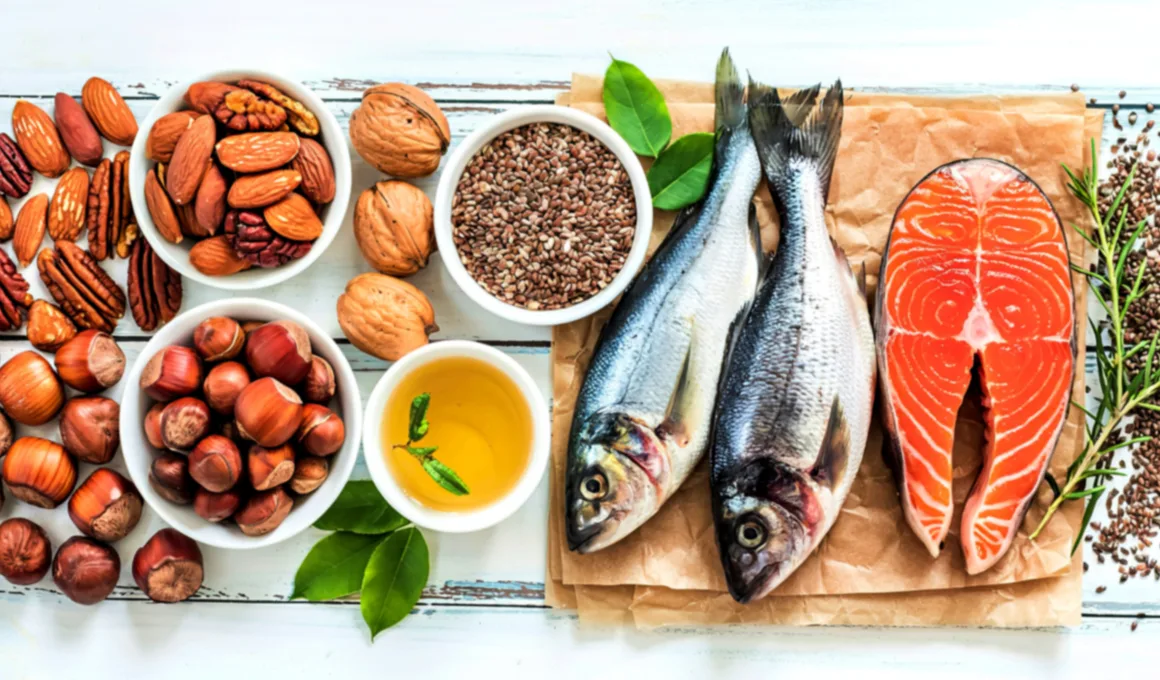
Omega-3 fatty acids found in fatty fish, walnuts, and flaxseeds are essential to reduce inflammation in the gut and brain and promote a healthy gut flora.
Mayer also emphasizes the importance of time-restricted eating: consuming all meals within a fixed time window of about 8-10 hours supports the body's natural circadian rhythms, optimizing digestion, the immune system, and the microbiome. Longer fasting periods allow the gut and immune system to rest, regenerate, and better regulate inflammation, which positively affects health.
By nurturing this powerful connection between brain, gut, and immune system through mindful nutrition and health-promoting lifestyle habits, you strengthen your natural defenses, promote mental clarity, and lay the foundation for lasting health. Because when you take care of your gut, you take care of yourself as a whole.


